ACCPA CONFERENCE
2026 SPEAKERS
United for Change: Strengthening Partnerships for Long-Term Community Safety
SPEAKER BIOS

Tara Bracanovic, Michelle Trudeau
Session: Collaborative ACTion against Human Trafficking
Tuesday, May 5 at 1:15PM
Tara is the Education Supervisor with Act Alberta. Originally from Chippewas of Nawash Unceded First Nation, Tara moved to Alberta in 2015. She has been working in the social service sector in Alberta for the past ten years, primarily focusing on education program development and creating inclusive, accessible learning environments that support vulnerable and at-risk populations. Tara has a Bachelor of Arts degree in Sociology and Criminology from the University of Western Ontario.
Michelle joined ACT Alberta in 2023, she is currently the Supervisor of Victim Services. Michelle works alongside survivors of human trafficking utilizing a trauma-informed, person-centered approach. Michelle ensures survivors receive tailored resources that promote safety, healing, and empowerment, while fostering trust, collaboration, and high standards of practice. With extensive experience supporting vulnerable populations, in urban and rural communities, she remains dedicated to strengthening community engagement, enhancing education, awareness, and advancing the well-being and resilience of those impacted by human trafficking and other forms of victimization
This presentation will discuss the importance of collaboration and specialized support for victims and survivors of all forms of human trafficking. We will address key indicators, trends, and signs of human trafficking that will empower community members and service providers to respond to human trafficking using a survivor-centered approach.

jANET CAMPBELL
Keynote: From Classroom Courage to Community Strength: Inspiring Change That Lasts
Tuesday, May 5 at 9:00AM
Janet Campbell has been an integral part of the Joy Smith Foundation since its inception, serving as a dedicated volunteer. In 2021, she assumed the position of President and CEO. Under Janet’s leadership the Foundation has expanded nationally and developed a number of critical strategic partnerships.
Janet draws daily inspiration from her role leading the Foundation. She acknowledges the immense strength exhibited by victims and survivors of sex trafficking, individuals who have endured unimaginable abuse and horrors. Their resilience and strength, demonstrated by their very survival, serve as a constant source of motivation for Janet.
Just as darkness surrenders to dawn, so too must ignorance yield to understanding. In our shared journey toward enlightenment, we, as a unified community, must awaken to the harrowing reality of human trafficking lurking within our midst. – Janet Campbell
Janet spearheaded the “See the Trafficking Signs” campaign, a compelling national awareness and education initiative aimed at preventing Canadian youth from falling victim to the sex trafficking. This campaign enlightens the public about the common signs that someone may be at risk of being groomed and coerced into sex trafficking.
In October 2021, Janet led the Foundation’s launch of the National Human Trafficking Education Centre. NHTEC provides education and tools to help Canadians across the country learn to recognize the signs of human trafficking to prevent this crime from occurring. A wide variety of webinars, in person seminars, and virtual training programs are offered to individuals
such as parents, teachers and youth, as well as professionals who work with survivors.
In the fall of 2023, Janet was invited to be Canada’s sole representative at the Trafficking in Persons Project as part of the International Visitors Leadership Program (IVLP), a professional exchange program organized by the U.S. Department of State. This program brought together
accomplished professionals nominated by U.S. embassies across the globe from 24 countries to engage in discussions about combating human trafficking.
Beyond her involvement with the Foundation, Janet boasts extensive leadership experience in guiding the growth of various technology and service-based organizations. This wealth of business acumen enables Janet to approach the complex issue of Canadian human trafficking with innovative perspectives, providing effective solutions for survivor rehabilitation and public education.
This keynote tells the powerful story of how one Grade 9 teacher, Joy Smith, refused to look away when she realized her student was being trafficked. It will explore how that courage sparked a national movement that changed Canadian law, reshaped public understanding of human trafficking, and built one of the country’s most trusted models of prevention and community safety.
At its heart, this presentation is about the extraordinary impact ordinary people can have when they choose to act. Joy’s journey from classroom teacher to Member of Parliament—and the only MP in Canadian history to amend the Criminal Code twice to strengthen protections for victims, demonstrates that meaningful change doesn’t begin in political offices. It begins in communities, with people who notice, care, and work together.
Through storytelling, real-world examples, and insights from the Joy Smith Foundation’s national prevention work, this keynote will highlight how long-term community safety grows when individuals, agencies, educators, frontline workers, and local leaders work in partnership. Participants will gain a renewed understanding of how vulnerabilities can be reduced early, how community connections interrupt cycles of exploitation, and how small, consistent actions create lasting safety for youth and families.
Aligned with the conference theme, this presentation emphasizes that long-term community safety is not the responsibility of one sector, it’s a shared commitment. When communities unite around compassion, vigilance, and collaboration, they become powerful environments of protection and resilience. Attendees will leave feeling inspired, grounded, and confident in their ability to contribute to safer, stronger communities across Alberta and beyond.

chris cowie
SESSION: Restorative Justice in the Workplace: Building Accountability, Trust, and Healthy Culture
Tuesday, May 5 at 2:45PM
Chris has worked in senior leadership roles within community-based organizations focused on restorative justice, anti-poverty initiatives, community development, and international mission since 1988. His commitment to restorative practice began in 1989 while working with young offenders, when he partnered with Community Justice Initiatives to develop a Victim Offender Reconciliation Program. Since that time, he has been a strong advocate for applying restorative approaches to a wide range of crimes and conflicts.He has served as Executive Director of three Kitchener-based agencies, as Director of Regional Development for SIM Canada, and most recently as Executive Director of Community Justice Initiatives for fifteen years. Chris is the owner and principal consultant of Restorative Lens Consulting and an Associate with Credence and Co.
Chris has contributed to several Boards of Directors, held various church leadership roles, and served two terms as President of the Ontario Association of Community Correctional Residences. He completed a ten-year term with the Waterloo Region Crime Prevention Council, including two years as Chair.
An adjunct professor at Conrad Grebel University College, Chris teaches Restorative Justice and has previously taught courses in Restorative Justice, Crime Prevention, Practical Mediation, and the History of Prisons and Punishment at Conestoga College. He holds a Master of Leadership degree from the University of Guelph.
Chris is married and has two children, two stepchildren, and three granddaughters
This session explores how Restorative Justice principles can transform workplace culture, strengthen relationships, and provide constructive responses to conflict and harm. Drawing on extensive experience supporting organizations through challenging dynamics, the session examines how relational approaches address the underlying causes of tension more effectively than punitive or avoidance-based models.
Participants will be introduced to core RJ concepts—relational accountability, reintegrative practices, and the importance of psychological safety—and learn how these principles support leadership, team cohesion, and employee well-being. Practical examples from workplaces of varying size and complexity will illustrate how restorative approaches can be applied to issues such as communication breakdowns, performance concerns, identity-based conflict, and staff morale. The session is designed to equip leaders, HR professionals, and practitioners with a clear understanding of how restorative frameworks can foster healthier, more resilient workplace environments.


pamela cross, erin lee
SESSION: RESTORATIVE JUSTICE AS A MODEL FOR INCREASED COMMUNITY SAFETY IN GBV SITUATIONS
Wednesday, May 6 at 1:15PM
Pamela Cross is a feminist lawyer, author, member of Ontario’s Domestic Violence Death Review Committee. She provided expert testimony and engagement in Ontario’s CKW inquest as well as the Nova Scotia Mass Casualty Commission process. Pam is a trainer and leader both provincially as well as nationally. https://pamelacross.ca/about/
Erin is an experienced, passionate advocate who has spent decades working to end violence against women. Her work spans anti-violence programs, school board initiatives, provincial associations and numerous boards and committees.
Currently Erin is the Executive Director of Lanark County Interval House and Community Support, Community Safety and Well Being Plan member, and member of the Victimology Advisory of Algonquin College.
Erin has been a recipient of the Ministry of the Attorney General, Award of Distinction, and the Elementary Teachers Federation of Ontario award for social change. Erin is an appointed member of the Ontario Domestic Violence Death Review Committee.
Erin was a member of the EVA inquest working group after the triple femicide in Renfrew and continues to advocate for inquest recommendation implementation.
Erin's advocacy is characterized as solution-focused, mentoring to new advocates and inclusive to all.
The current criminal law response to gender-based violence has failed to make meaningful reductions in the rates of that violence. In particular, the formal criminal law system does not work well for victims/survivors/those who cause harm from marginalized communities. Initiatives such as mandatory charging -- intended to make the criminal system more accessible to victims/survivors -- have fallen short of achieving their goals.
As a result, many survivors lack confidence in the criminal system and don’t turn to it for support, which can expose them and their children to further harm.
It is time to give serious consideration to new models, including restorative and transformative justice as a way to create communities that are safe for everyone, including women and children.
Both Ontario’s CKW Inquest verdict and the Nova Scotia Mass Casualty Commission Final Report recommend that the use of RJ be considered in the resolution of GBV cases.
In this presentation, we will explore:
• The ways in which the formal criminal system has failed to address gender-based violence in a meaningful way
• Why now is the right time to discuss restorative and transformative justice models
• How a restorative/transformative approach can improve outcomes for survivors and their families as well as for those who have caused the harm
• Key elements of a plan to use RJ/TJ to respond to gender-based violence
• The importance of building and enriching community-based partnerships and collaborations to support RJ models
• The ways in which RJ/TJ can help us create communities that are safe for all.

liz john-west
SESSION: The Reality of Human Trafficking in Alberta
Tuesday, May 5 at 2:45PM
Liz John-West holds a Master’s degree in Community Development and brings over 30 years of experience in the social services sector. Throughout her career, she has worked alongside women navigating the complex intersections of intergenerational trauma, systemic racism, poverty, gender-based violence, and addiction.She currently serves as the Executive Director of CEASE: Centre to Empower All Survivors of Exploitation & Trafficking in Edmonton, where she is dedicated to supporting women affected by sexual exploitation. Liz believes that real change begins when we are close to the people we serve — listening, walking alongside, and challenging the systems that sustain injustice. Her leadership is grounded in compassion, accountability, and the courage to confront uncomfortable truths in pursuit of lasting change.
Human trafficking in Alberta is often misunderstood, hidden behind everyday interactions and industries that appear ordinary. This presentation by CEASE – the Centre to Empower All Survivors of Exploitation & Trafficking – will shed light on the realities of human trafficking in our province, grounded in over three decades of frontline experience supporting survivors and working to prevent exploitation.
We will explore sexual exploitation for the purposes of human trafficking in Alberta and the intersections with domestic violence, sexual assault and the impact of childhood trauma. Drawing on community-based data, case studies, and survivor-informed insights, CEASE will reveal patterns of recruitment, control, and demand that fuel trafficking—from online grooming and escort advertising to coercive practices.
This session will also highlight promising practices and local partnerships that strengthen prevention, intervention, and justice responses. Attendees will gain practical strategies to identify risk indicators, engage safely with victims and survivors, and collaborate across sectors to disrupt trafficking networks.
Aligned with ACCPA’s 2026 Conference Theme of “Building Safe, Resilient Communities Together,” this presentation emphasizes a community-wide response rooted in collaboration, awareness, and equity. Ending human trafficking requires more than enforcement—it demands prevention through education, inclusion, and addressing the root causes that make individuals vulnerable to exploitation.Participants will leave with a deeper understanding of what trafficking looks like in Alberta, and how each of us—whether in law enforcement, social services, policy, or community leadership—can play a vital role in ensuring safety, dignity, and justice for all.

maggy laton
SESSION: Human Trafficking in Canada
Tuesday, May 5 at 10:30AM
Maggy Laton is the Bilingual Partnership Specialist at the Canadian Centre to End Human trafficking and has worked with the organization since 2019. She has worked in the anti-human trafficking sector since 2015, working with children and youth providing frontline service delivery before moving into the role at the centre.
Currently, she works to establish community partners in Canada to support the National Hotline's referral network, does education and awareness and attends networks and tables to move forward the anti-trafficking work being done across the country.
She is passionate about ending all gender based violence and supporting survivors in exiting all forms of exploitation and abuse.
This presentation will outline the state of human trafficking across Canada. Included in this presentation will be : human trafficking 101, our hotline trends report from 2019-2022 (which includes the types of trafficking we see, the geographical landscape, and service needs), and the human trafficking corridors in Canada. This will be presented through the lens of how the hotline takes a harm reduction approach in supporting survivors, and how we do trauma-informed care in our work. This presentation will include information on labour and sex trafficking, and how the hotline is equipped to support community members and partners around the issue of human trafficking.

ANDY lUU
SESSION: Breaking Cycles: How Partnerships Create Safer Pathways for At-Risk Youth
Wednesday, May 6 at 1:15PM
Andy Luu is a Youth Services Manager at a youth justice facility and a national speaker specializing in youth gang prevention, trauma-informed intervention, and culturally grounded community safety. Drawing from lived experience in street-involved environments and over a decade of professional work across law enforcement, youth counseling, transitional housing, justice policy, and Indigenous community support, Andy brings a rare dual perspective that bridges frontline practice with system-level insight.
He has worked extensively with racialized, newcomer, and Indigenous youth through roles with Native Child and Family Services Toronto, the Canadian Mental Health Association’s HSJCC Network, the Canadian Training Institute, and multiple municipal youth programs. His presentations, delivered to schools, conferences, First Nations communities, and justice agencies, focus on breaking cycles of violence, strengthening partnerships, and creating safer pathways for high-risk youth.
Andy is committed to empowering communities through collaboration, cultural humility, and evidence-based prevention.
Youth gang involvement is rarely the result of a single factor, it emerges from unmet needs, community disconnection, intergenerational trauma, and the absence of safe, trusted relationships. Drawing on both lived experience and extensive professional work across law enforcement, youth counseling, justice policy, and Indigenous community support, this presentation explores how effective partnerships can interrupt these cycles and build long-term community safety.
As someone who grew up in a marginalized environment and later transitioned into roles such as Concurrent Disorder Service Coordinator at Native Child and Family Services Toronto, Gang Intervention Program Facilitator, and Justice Specialist in transitional housing, I have seen firsthand how coordinated, culturally grounded support systems change lives. My presentation will highlight real examples from working with racialized, newcomer, and Indigenous youth, including gang-involved young people navigating trauma, identity, and belonging, showing what works, what doesn’t, and what communities can do differently.
Aligned with the conference theme United for Change, the session emphasizes that sustainable safety requires collaboration across sectors: schools, police, social services, community agencies, Elders, and most importantly, youth themselves. Participants will learn how trauma-informed, strengths-based, and culturally responsive interventions create meaningful alternatives to gang life. The session will also outline actionable strategies for building cross-sector partnerships, enhancing early prevention, and ensuring youth feel supported rather than surveilled.
This presentation invites practitioners, policymakers, and community leaders to rethink gang prevention not as enforcement-driven, but as partnership-driven, rooted in trust, cultural humility, and long-term relationship-building. By centering youth voice and lived experience, we can collectively foster safer, more resilient communities where every young person has a path beyond the street life.
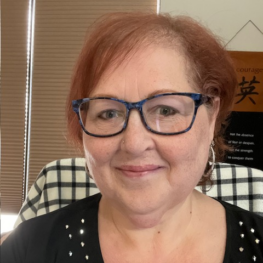


Trish McAllister-Hall, Assistant Chief Justice Robin Snider, François (Frank) Nadeau
PANEL: Justice, Treatment, and Community Working Together
Wednesday, May 6 at 12:15PM
Trish McAllister-Hall is the Program Manager for Central Alberta Drug Treatment Court (CADTC). Trish has over 30 years of experience working in the non-profit sector with marginalized populations. Early in her career she worked for the Elizabeth Fry Society and was involved in developing a prescription drug abuse program for the Canadian Government that was delivered to incarcerated females throughout Western Canada. From there she went on to work in various frontline and leadership positions. Trish holds a Bachelor’s Degree in Justice Studies and a Master’s degree in Counselling Psychology, along with post graduate certificates in trauma and collaborative leadership. Trish is passionate about social justice and talking about the intersection between social and criminal justice as a critical element in the success of drug treatment courts.
Assistant Chief Justice Robin Snider is the primary sitting Justice for Central Alberta Drug Treatment Court. She was called to the Nova Scotia Bar in 2003 and practiced as a lawyer there before moving to Alberta in 2006. She worked for Alberta Justice as a crown prosecutor ten years before switching to criminal defence work, practicing as a partner at Red Deer Law Group until being appointed to the Alberta Court of Justice in April 2020. Justice Snider was appointed the Assistant Chief Justice for the Central region in November 2021 and is also the Supervising Justice for the Justices of the Peace across Alberta. She helped initiate Central Alberta Drug Treatment Court and has been the primary sitting Justice sitting since it opened in 2022.
François (Frank) Nadeau is the Police Liaison Officer to the Central Alberta Drug Treatment Court (CADTC). As a member of the RCMP, Frank has a decade of experience working in frontline and community-based policing. He also taught in the Justice Studies program at Red Deer Polytechnic for several years. He brings a strong analytical and academic background to his work, including prior experience as a statistical analyst and an intelligence operator with the Canadian Armed Forces. Frank holds a master’s degree in political science and is currently completing a Doctor of Education (EdD). His doctoral dissertation examines how program evaluation practices impact organizational buy-in and participation within complex public-sector partnerships.
The Central Alberta Drug Treatment Court was established in Red Deer in 2022. The program is intended to break the cycle of criminal behavior driven by drug addiction, by offering participants a chance to avoid prison and complete a drug treatment program. The program is comprehensive and aims to reduce the number of crimes committed due to drug dependence. This is done through judicial supervision, substance use treatment, frequent drug testing, incentives, sanctions and a variety of social supports.
This program is unique in its ability to blend justice, treatment, and community together to create a multi-disciplinary approach to addressing substance use and crime to reduce offending. The presenters will lead you through the various aspects of the program, the team, and the participants, and use stories and statistics from the past 3 years to highlight how the program is reducing offending in our community and developing individuals who are succeeding in becoming happy, healthy, and contributing members of society.

Brenda morrison
SESSION: Community Safety: Unity through being responsive and restorative
Tuesday, May 5 at 10:30AM
Brenda Morrison is Simon Fraser University’s Director of the Research and Engagement Centre for Restorative Justice. She is passionate about interdisciplinary work that develops critical and reflective praxis that frames problems of crime and justice; public health and safety; education and development in ways that re-imagine and transform individuals, communities and governance. Her work in the field of restorative justice focuses on praxis within and between three institutional systems: justice; education and health. Dr. Morrison is a theoretical social psychologist with research and field experience in outdoor education, governance, regulation and restorative justice. She has engaged in research in diverse areas: social identity, the self and self-interest, bullying and belonging. She serves on a range of working groups internationally, nationally, provincially and locally. Several current projects and initiatives focus on re-imagining justice through the arts.
Drawing on a national review of restorative justice for the inaugural International Encyclopedia of Restorative, across all provincial and territorial jurisdictions, this presentation will focus on restorative justice and responsive regulation as crime prevention through strengthening the unity of communities. Community has held a central role in the theory and practice of restorative justice; yet, the understanding of community praxis has an impoverished history. This presentation will reflect on the theory and practice of restorative justice through the lens of community strength and wellbeing. Questions raised include: what are the strengths of different forms of community engagement across jurisdictions, and how does this relate to the potential for community capacity building as a form of crime revention. Responsive regulation, in partnership with restorative justice, requires a responsive community; yet, these aspirations have yet to be realized in state dominant approaches to crime and crime prevention. This presentation will consider some strains and perspectives on community praxis in restorative justice, digging deep on fundamental assumption about the realization of unity within community.
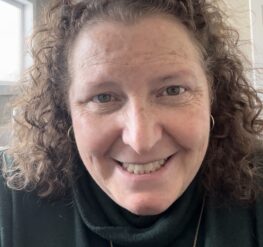

JULIE NOBERT-DEMARCHI, Chantal Mailloux
KEYNOTE: Staying Isn't Choosing Campaign
Wednesday, May 6 at 9:00AM
Julie Nobert-DeMarchi (she/her/elle) lives and works on Treaty 9 territory (Timmins, ON), bringing more than 25 years of dedicated leadership in non-profit management. Since 2010, Julie has led a committed team at Timmins and Area Women in Crisis, delivering essential services through the organization’s Sexual Assault Centre, Women’s Shelter, Second Stage Housing, and Anti-Human Trafficking programs.
Julie is widely recognized as a driving force for equity and social justice—known for her courageous leadership, thoughtful governance, and unwavering commitment to accountability, collaboration, and meaningful community change. As the founder and president of Fierté Timmins Pride and past president of Fierté Canada Pride, she continues to champion inclusivity and representation within her community and beyond.
A proud mother of three, grandmother of four, and foster parent, she devotes much of her time to volunteer work that reflects her lifelong dedication to creating the change she wants to see. She leads with kindness and a deep belief in the power of collective community care and empathy to inspire lasting and meaningful change.
Chantal Mailloux is the Executive Director of Ellevive, a role she has held since 2019. Ellevive operates both a Sexual Assault Centre and a shelter for women and their dependents fleeing violence, serving the community of Timmins and the surrounding area.Chantal is a Certified Nonprofit Professional Administrator, bringing strong governance, leadership, and operational expertise to her work.
Driven by a deep commitment to social justice, Chantal originally pursued studies in Child and Youth Work, motivated by her enduring desire to support young people in need of guidance, safety, and advocacy.A mother of four, Chantal finds balance by spending time with the people who bring joy to her life. She also enjoys swimming and reconnecting with nature, where she draws both energy and inspiration.
Staying Isn’t Choosing is a survivor-centered public education campaign developed by Timmins and Area Women in Crisis (TAWC) and Ellevive to challenge the harmful question, “Why don’t women just leave?” The campaign reframes this narrative to ask, “What makes leaving so difficult?”—revealing the systemic and personal barriers that make leaving an act of courage, not of choice.
Grounded in trauma-informed and intersectional practice, the campaign dismantles myths, fosters empathy, and encourages meaningful community dialogue. Its bilingual suite of materials—including short videos, a dedicated landing page, and coordinated social media content—illustrates how housing insecurity, economic dependence, coercive control, and systemic inequities make leaving profoundly difficult. Together, these tools deepen public understanding and compassion toward survivors.
This presentation will demonstrate how the Staying Isn’t Choosing materials can be used in public education to challenge misconceptions about gender-based violence and engage communities in awareness and prevention efforts. Attendees will learn about the campaign’s development, reach, and reception, and how it continues to inform public discourse and education on gender-based violence. The session will also introduce Phase 2 of the campaign, which builds on this foundation to expand messaging and deepen community engagement.
In alignment with the 2026 ACCPA theme United for Change: Partnerships in Long-Term Community Safety, this presentation highlights how collective public education initiatives like Staying Isn’t Choosing can unite communities in challenging stigma, strengthening understanding, and fostering shared responsibility for long-term safety and change.

Deborah Nowakowski
SESSION: New Ties - Youth Gang Exit Program
Wednesday, May 6 at 10:30AM
Deborah Nowakowski is the Director of Programs at the Calgary John Howard Society, where she leads initiatives focused on crime prevention, restorative justice, and community safety. With a strong background in program development and multi-sector collaboration, Deborah works to create holistic solutions that empower youth, reduce gang involvement, and strengthen community resilience. She is passionate about building partnerships that drive sustainable change and promote long-term safety for all.
The Calgary John Howard Society’s New Ties (NewT) program is a voluntary, client-centered initiative designed to help youth and young adults disengage from gang involvement and build positive futures. This presentation explores how NewT’s holistic approach—combining individualized case management, cultural connection, education, employment, housing, and mental health supports—aligns with the Alberta Community Crime Prevention Association’s vision of long-term community safety through collaboration.

jo phillips
SESSION: Restorative Justice in Gender-Based Violence: Building Safety, Accountability, and Community Change One Nano-Step at a Time
Wednesday, May 6 at 10:30AM
Jo Phillips is the Executive Director of the Regional Red Deer Restorative Justice Society and the creator of JoOutLoud, a no-nonsense, heart-forward approach to helping youth, parents, and schools communicate in ways that actually connect instead of collide. Her work lives at the crossroads of restorative justice, gender-based violence prevention, and the real-life messiness families face when relationships rupture and repair feels impossible.
Jo is a builder by instinct and by practice. She leads the design of RRDRJ’s restorative initiatives, including a GBV-focused restorative model and the Restorative School Culture Program, developed alongside survivors, justice partners, educators, and rural communities who want something better than punishment and silence. Her approach is rooted in connection, clarity, and the belief that change starts with the smallest brave step.
As a parent of three adult kids and a longtime youth resilience coach and speaker, Jo brings empathy, experience, and straight-up truth to every room, inviting people into courageous conversations and real, sustainable growth.
Gender-based violence (GBV) remains one of Alberta’s most deeply rooted public safety challenges and the scope of it can overwhelm even the most committed systems. Survivors are exhausted. Communities feel helpless. Justice partners are stretched thin. Through the Regional Red Deer Restorative Justice (RRDRJ) program, we’ve been developing a trauma-informed, survivor-centered restorative approach for GBV that acknowledges the enormity of the issue while grounding the work in what actually creates change: the smallest meaningful next step.
This session shares our GBV initiative, in partnership with survivors, RCMP, Crown, social agencies, and rural communities. We’ll name the realities of GBV work and the guiding question that keeps our team anchored: What is the one thing we can do right now? Sustainable change happens through nano-steps that build safety, clarity, and forward movement without collapsing under the weight of“fixing” GBV as a whole.
Participants will learn how we:
• Partner for rigorous safety and readiness assessments before any restorative option is considered
• Use non-contact restorative pathways when dialogue is unsafe or undesired
• Deliver community-based prevention circles that address isolation, trauma, gender norms, and silence
• Build wraparound supports tailored to survivors and responsible parties
• Use data from our GBV project to guide intentional, incremental action
At its core, restorative justice offers something uniquely powerful in GBV contexts: a way out of shame and into change. Instead of pushing people deeper into defensiveness or disconnection, restorative processes help survivors reclaim voice and agency, and help those who caused harm step into real accountability, repair, and growth.
Participants will leave with practical tools, real examples, and a grounded framework for moving from overwhelm to meaningful action, one nano-step at a time.
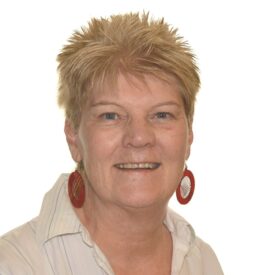
agnes struik
SESSION: Beyond the Gavel: Restorative Justice in Everyday Life
Tuesday, May 5 at 1;15PM
Agnes Struik worked as a teacher, principal and consultant for 30 years. She then pursued a career in psychotherapy and expressive arts therapy working primarily with children adolescents and their families and as a supervisor of therapists. Simultaneously she acted in the capacity as facilitator, trainer, professional advisor and consultant to the facilitators of children and adolescents in Bereaved Families of Ontario for 25 years. Agnes also worked in Liberia, Africa with The Trauma Healing and Reconciliation Program with peace organizations,
women’s groups and war affected youth (child soldiers). Since moving to Alberta, Agnes has spent the last five years working with The Regional Red Deer Restorative Justice Program as a facilitator and Program Educator.
What is restorative justice? What makes this process so different from our judicial system? How would our communities/ or our school’s benefit if restorative practices were used when addressing our wrongdoings? In this presentation, we will explore these questions as well as ways in which individuals and communities are involved in living lives restoratively such that outcomes focus on people and relationships, not just the violation of laws. This presentation will provide examples through real life stories, and experiential exercises.

SACHIN SUDRA
SESSION: Settle the Soul: Practical Mind-Body Tools for Safety, Regulation & Everyday Resilience
Wednesday, May 6 at 2:45PM
Sachin Sudra is an Ayurvedic Wellness & Nutrition Educator, Certified Yoga Instructor, and Reflexologist with over 15 years of experience facilitating trauma-informed, culturally safe programs for Indigenous and equity-deserving communities. He is the founder ofSaavi Wellness, a grassroots company integrating ancient Ayurvedic principles with modern wellness practices to support personal transformation and resilience.
Sachin also leads the RKeepers7 Indigiwellness Initiative and partners with Tsuut’ina Health & Wellness, Gateway Association, and post-secondary institutions to deliver mind-body regulation, resilience, and self-care workshops for youth, staff, and frontline professionals. He is the founder of the Yoga Sunday Chai Club, a not-for-profit community studio offering a safe space for Indigenous, BIPOC, and local communities to gather, regulate, and heal through yoga, chai, and connection.
Guided by a heart-centered philosophy, Sachin’s mission is to make wellness accessible, practical, and culturally safe for all.
Frontline professionals working in community safety and prevention often face chronic stress, exposure to trauma, and emotional exhaustion. Settle the Soul offers an experiential, trauma-informed approach to self-regulation and wellness, helping participants restore balance through accessible mind-body practices rooted in yoga, Ayurveda, and nervous-system science.
This workshop introduces simple breathing techniques, gentle movement, and sensory grounding tools that can be practiced anywhere at a desk, in the field, or between client sessions. Participants will explore how embodied self-care and routine regulation practices support emotional safety, focus, and long-term resilience. Each attendee receives a take-home “Regulation Toolkit” with easy-to-apply exercises for daily use.
This presentation directly aligns with the ACCPA 2026 theme, “United for Change: Partnerships in Long-Term Community Safety,” by emphasizing how individual wellbeing strengthens collective safety. When frontline workers regulate their own nervous systems, they bring greater compassion, clarity, and presence into their relationships with clients, colleagues, and communities. We must support our frontline workers with the care and resources they need, as they are the backbone of our communities and the first to support those in crisis.
Drawing from Sachin Sudra’s partnerships with Tsuut’ina Health & Wellness, RKeepers7 Indigiwellness, Gateway Association, and post-secondary institutions, as well as his experience teaching and operating a yoga studio in Calgary and working as a health and wellness therapist, this session demonstrates how cross-sector collaborations between Indigenous healing knowledge and modern wellness practices can enhance prevention, recovery, and community trust.
Participants will leave the session grounded, renewed, and equipped with practical tools to sustain both personal and professional resilience, creating ripple effects of safety, empathy, and care within the organizations and communities they serve.



lana wells, wanda mcginnis, Cst. Melanie McINTOSH
SESSION: Made-in-Alberta: Preventing Gender-Based Violence Where We Live Research Project
Wednesday, May 6 at 2:45PM
Lana Wells is an Associate Professor and the Brenda Strafford Chair in the Prevention of Domestic Violence at the University of Calgary’s Faculty of Social Work. As the founder and lead of Shift: The Project to End Domestic Violence, Lana has spent more than a decade advancing primary prevention across Canada through innovative research, policy leadership, and multi-sector partnerships. Her work focuses on addressing the root causes of violence, shifting harmful gender norms, and strengthening the capacity of communities, systems, and organizations to prevent violence before it occurs.
Lana is widely recognized for her strategic vision, her ability to mobilize diverse partners, and her commitment to evidence-informed solutions that create meaningful, sustainable change. She has led major provincial and national initiatives, contributed to groundbreaking research on engaging men and boys, and helped shape prevention policy across multiple sectors. Lana’s work continues to influence emerging leaders, practitioners, and policymakers committed to building safe, healthy, and equitable communities.
Wanda McGinnis is a registered social worker who has a Bachelor of Arts degree from the University of Regina and a Bachelor of Social Work Degree from the University of Calgary. She has spent nearly two decades working within the domestic violence sector. Wanda began her career as a front-line worker in rural Alberta. She is trained in advanced risk assessment
and was instrumental in supporting the development of a rural Family Violence Prevention Program- a program designed to customize a rural community domestic violence response. This program brought RCMP, Alberta justice, Children’s Services and the local domestic violence shelter together to collaboratively establish wrap around services for at risk families in the area. Wanda recognizes the importance of a trauma informed approach which honours the
unique experiences of each person. She is currently the Executive Director of Big Hill Haven in Cochrane. Wanda is committed to creating effective rural strategies to ensure no one must choose between being safe and remaining in the community they call home.
Cst. Melanie McIntosh is a dedicated RCMP officer with 17 years of experience in law enforcement. For the past four years she has served as Domestic Violence Coordinator with the Cochrane RCMP detachment working closely with victims and community partners to addressdomestic violence through prevention, intervention and coordinated response.
The Made in Alberta initiative is a collaborative effort between Shift: The Project to End Domestic Violence (University of Calgary), YWCA Banff, Cochrane Big Hill Haven, and Rowan House Society in High River. This multi-phase initiative focuses on building rural capacity to prevent gender-based violence (GBV), with a specific emphasis on preventing male perpetration. Phase one, called ZeroGBV, brings together Shift/UCalgary, the Collaborative Applied Research for Equity in Health Policy and Systems (CARE) Lab, and HelpSeeker Technologies. This phase supports three rural GBV-serving organizations, YWCA Banff, Rowan House, and Big Hill Haven, in leveraging open-source and public data on GBV prevalence and help-seeking behaviors. The goal is to strengthen data-informed prevention strategies, particularly those aimed at stopping domestic, sexual, and family violence before it starts. Phase two focuses on engaging local champions and settings in each community to co-develop primary prevention initiatives to shift the norms and enabling factors leading to violence perpetration. This work is rooted in local data and community insights. This presentation explores how cross-sector collaboration, data-driven insights, and a primary prevention lens can collectively drive systemic change at the community level. Participants will gain a deeper understanding of how addressing root causes of violence can disrupt cycles of harm and promote safety and wellbeing in rural Alberta.
WORKSHOP FACILITATOR BIOS
chris cowie
WORKSHOP 1: Restorative Justice: Foundations, Applications and Lived Practice
Monday May 4, 8:00AM
Chris has worked in senior leadership roles within community-based organizations focused on restorative justice, anti-poverty initiatives, community development, and international mission since 1988. His commitment to restorative practice began in 1989 while working with young offenders, when he partnered with Community Justice Initiatives to develop a Victim Offender Reconciliation Program. Since that time, he has been a strong advocate for applying restorative approaches to a wide range of crimes and conflicts. He has served as Executive Director of three Kitchener-based agencies, as Director of Regional Development for SIM Canada, and most recently as Executive Director of Community Justice Initiatives for fifteen years. Chris is the owner and principal consultant of Restorative Lens Consulting and an Associate with Credence and Co.
Chris has contributed to several Boards of Directors, held various church leadership roles, and served two terms as President of the Ontario Association of Community Correctional Residences. He completed a ten-year term with the Waterloo Region Crime Prevention Council, including two years as Chair.
An adjunct professor at Conrad Grebel University College, Chris teaches Restorative Justice and has previously taught courses in Restorative Justice, Crime Prevention, Practical Mediation, and the History of Prisons and Punishment at Conestoga College. He holds a Master of Leadership degree from the University of Guelph.
Chris is married and has two children, two stepchildren, and three granddaughters
This full-day workshop offers an in-depth introduction to Restorative Justice (RJ) through historical grounding, theoretical clarity, and practical experience. The morning begins with a concise history of RJ in Canada, including the Elmira case and the presenter’s own journey into restorative practice. Foundational justice theories—retributive, utilitarian, and rehabilitative—will be contrasted with RJ to illuminate how shifting from a legal lens to a relational lens transforms both our understanding of harm and our approach to accountability. The workshop will also explore areas of overlap and distinction between RJ and Indigenous Justice, recognizing their unique origins and teachings.
Participants will examine the trauma-informed nature of restorative work, including the role of reintegrative shame as a constructive alternative to punitive responses. In the afternoon, the focus shifts to practical applications across multiple contexts such as schools, sport environments, workplaces, and responses to sexual harm, gender-based harm, and identity-based harm. Throughout the day, concepts will be illustrated through real stories drawn from decades of practice.The workshop concludes with a facilitated restorative circle, offering participants a direct experience of the relational processes at the heart of RJ.


TJ Sheehan, Jessica Hutton
WORKSHOP 2: The Realities, Challenges, and Promises of Gang Prevention and Exit Programming in Alberta
Monday May 4, 8:00AM
TJ Sheehan is the Founder of Pivot Empowerment, Education & Recovery Society and is dedicated to supporting at-risk youth in leaving gangs, violence, addiction, and cycles of incarceration. A former gang member who transformed his own life, TJ uses his lived experience to educate communities on gang involvement, recruitment tactics, and early warning signs. He is a sought-after speaker and trusted collaborator, working with non-profits, corrections, law enforcement, and academic partners to design effective prevention and intervention programs. A certified recovery coach, interventionist, and facilitator, TJ has helped hundreds of youth and adults rebuild their lives. His mission is to demonstrate that meaningful change is always possible.
Jessica Hutton is the President and CEO of Natawihowin Consulting and a seasoned executive with more than 15 years of senior and C-level leadership experience in the social services sector. Her work spans social services, housing, criminal justice, and health, where she has strengthened accessibility and improved service delivery. Jessica has led programs serving youth, families, and adults across Alberta, Nunavut, and British Columbia, and has contributed her expertise to multiple boards. A former Victim Services Advocate, she holds a Bachelor of Arts in Psychology, a Master’s Degree in Counselling Psychology, and is a certified Human Rights Consultant
This full-day, highly interactive workshop offers participants an immersive learning experience grounded in both lived expertise and evidence-based best practices for gang prevention and off-ramping. Led by Pivot Society—an organization recognized for its strong, cross-sectoral partnerships—this session amplifies the voices of individuals with direct experience in gang life and organized crime alongside practitioners, researchers, and community leaders working at the forefront of youth violence prevention. The workshop begins by unpacking the common pathways that draw young people into gangs, highlighting key risk factors, recruitment mechanisms, and the social and economic conditions that shape involvement in drug, gun, and human trafficking. Participants will gain an unfiltered understanding of the realities of street life and the complex networks that sustain organized criminal activity, offering a foundation for more informed and empathetic intervention.
Building on this contextual knowledge, the session introduces tangible, research-supported strategies to assist youth in exiting gang-involved or criminal trajectories. Drawing on Pivot Society’s collaborations across government agencies, community organizations, nonprofits, the criminal justice system, youth correctional facilities, and academic partners from multiple Canadian universities, the workshop demonstrates how multi-sector partnerships can drive meaningful and sustainable change. A central component of the workshop is an experiential introduction to one of Pivot Society’s core programs. Participants will “learn by doing” through guided, physical, and activity-based components designed to model the program’s approach to engagement, trust-building, and skill development. This interactive format enables attendees to better understand the psychological, relational, and behavioural principles that underpin successful intervention. By the end of the day, participants will leave with strengthened practical skills, a deeper appreciation of the complexities of gang-involved youth, and an expanded toolkit for effective prevention and exit strategies, all informed by academic evidence and lived experience.


brittney brown, Amy spence
WORKSHOP 3: Crime Prevention Through Connection: A Community-Led, Values-Based Approach
Monday May 4, 8:00AM
Brittney Brown is a dedicated advocate for young people and families navigating complex social, economic, and systemic challenges. With over 19 years of experience in community-based relational practice, legislatively directed intervention, systems collaboration, and intentional program development, her work centers connection, safety, and dignity.
Since 2018, Brittney has focused on strengthening collaboration across systems and agencies to support more coordinated and meaningful responses for vulnerable young people. She is a Certified Wraparound Facilitator, Natural Support Framework Trainer, and Child and Adolescent Functional Assessment Scale (CAFAS) Trainer, bringing multiple perspectives to understanding decision-making within social service systems.
Her background includes education in Criminal Justice and Child and Youth Care Counselling, and she is currently completing a Master of Arts in Interdisciplinary Studies, specializing in Child Protection and Wellbeing and Crisis and Disaster Management. Brittney is driven by a commitment to empower communities and foster lasting, collaborative change.
Amy Spence is a former police officer with over 18 years of frontline and investigative experience in crime prevention and victim protection. For a decade, she specialized in investigating child abuse, sexual exploitation, and human trafficking, and was widely recognized as an expert investigator in abusive head trauma involving infants and young children.
Since 2014, Amy served as a trained crisis negotiator, progressing to team leader and team coordinator. In addition to operational duties, she trained and taught child forensic interviewing to professionals across disciplines.
Prior to policing, Amy worked in group care settings, both delivering experiential, front-line programming and serving in program coordination roles. She holds a Bachelor of Science in Kinesiology, a Master of Science (Honours) in Psychology, and a certificate in Addictions Studies.
Amy brings a multidisciplinary, trauma-informed perspective to crime prevention, investigation, and intervention.
This six-hour interactive workshop challenges traditional, status-quo approaches to crime prevention by centering community voice and values-based practice. Grounded in a longitudinal case study, participants are invited to examine how systemic gaps, rigid mandates, and siloed responses often fail young people and communities experiencing victimization—frequently increasing risk rather than reducing it.
Through storytelling, facilitated reflection, and multi-disciplinary group work, the session explores how unmet needs, lack of support, and unhealed trauma can contribute to cycles of harm—not by choice, but by circumstance. Emphasis is placed on understanding victimization and ongoing care as critical components of crime prevention.
By the end of this session, participants will be able to reframe crime prevention as a collective responsibility by committing to collaborative, values-driven actions that reduce harm and interrupt cycles of victimization.
This presentation is applicable to all attendees. Crime prevention takes a collaborative community approach.